

ChatGPT Hell
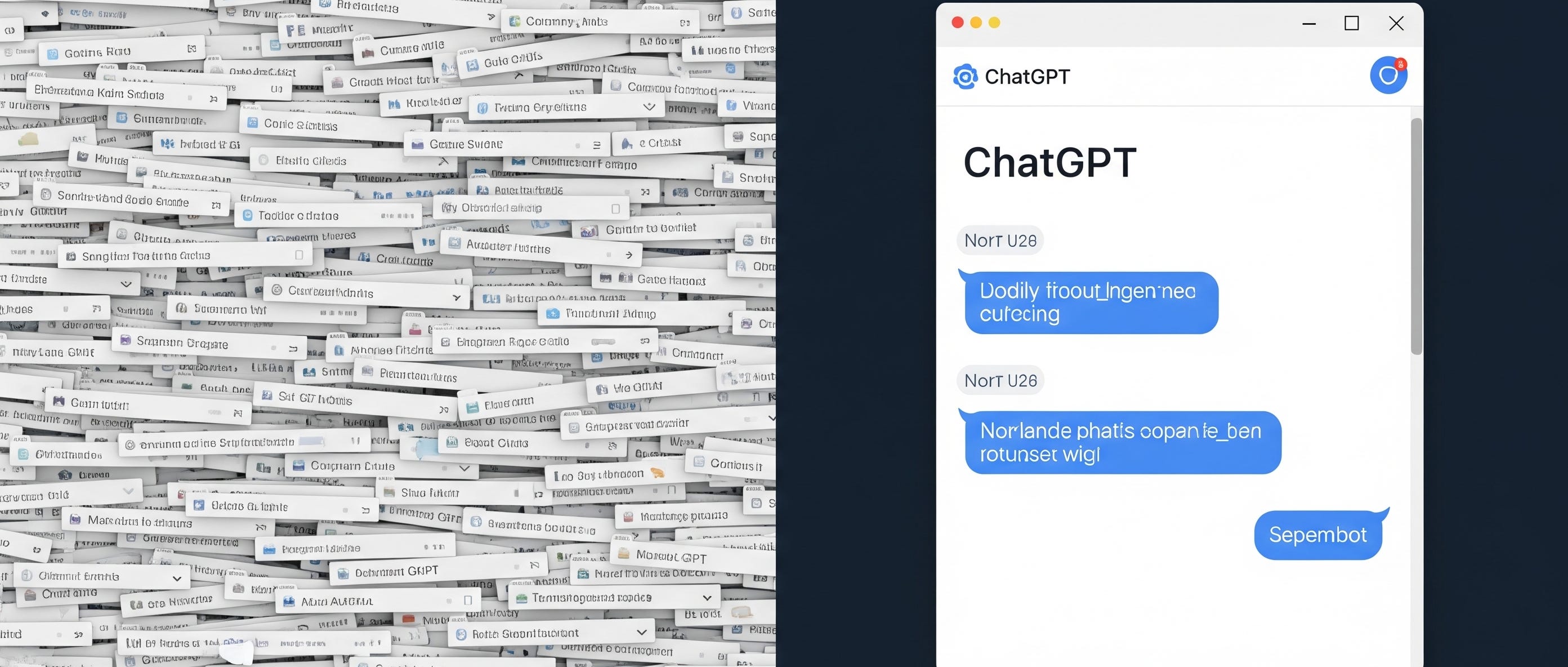
You know that feeling when you have so many browser tabs open that the favicons disappear and you're just looking at a wall of gray rectangles? That was me four weeks ago, except worse. I had 47 ChatGPT chats open. Forty. Seven.
Each one was a different conversation thread about RallyCamp, my camping app idea. One tab for database design. Another for user authentication. Three separate ones just for different approaches to the scheduling system. I'd hop between them like a caffeinated squirrel, copying bits from one conversation, pasting into another, trying to remember which tab had that brilliant insight about Scout leader workflows.
11 PM, One Reddit Link
It was 11pm on a Tuesday when everything changed. I was scrolling Reddit, specifically r/vibecoding, when I found a thread titled "This is how I build & launch apps (using AI), even faster than before."
The thoughtfulness of the approach just blew me away. And it made a ton of sense to me. I had been treating ChatGPT like a better Google search, trying to learn all of the various roles and context myself. This approach was changing me from a do-it-all-yourself quasi-developer to an AI boss, something that was much more relatable to my recent real life work.
The commenter had linked to their workflow, but honestly, it was overwhelming. Pages and pages of complex prompts with variables and conditionals. I almost closed the tab, but something made me try a simpler version.
The 12-Word Prompt Factory
I opened a fresh ChatGPT window. Just one. And I started with the most basic prompt I could think of:
What are the top 5 most in-demand consumer topics for outdoor recreation apps?Nothing fancy. No complex instructions. Just a question. But here's where it got interesting. Instead of diving straight into features or code, I took the AI's response and fed it into a second prompt:
Based on these market opportunities, give me 10 app ideas for Scout camping coordination.Then I took the best idea from that list and wrote my third prompt. And this is where I almost fell out of my chair, because it was literally just seven words:
Create a product requirements doc for this appSeven words. That's it. And ChatGPT spit out a comprehensive PRD that was better than anything I'd cobbled together across my 47 tabs.
Why Sequence Beats Complexity
But here's the thing. Those simple prompts worked because they were in sequence. Each one built on the last. The market research informed the ideation. The ideation informed the requirements. It was like... well, like a factory line.
Over the next few days, I refined this approach. My prompts got a bit more sophisticated, sure. But the core insight remained the same. Instead of having 47 conversations about 47 different aspects of my app, I had one conversation that flowed from market validation all the way to working code.

The first three prompts in my chain became the foundation for everything:
First, I'd validate the market. Not with some generic "is this a good idea?" question, but by researching actual consumer spending patterns and market trends. This kept me from building something nobody wanted.
Second, I'd generate technically feasible ideas based on that research. Not pie-in-the-sky features, but actual MVPs I could build with AI assistance.
Third, I'd refine the winning idea into a proper product strategy. Not just features, but user personas, go-to-market plans, the works.
What used to take me days of jumping between tabs now took hours in a single, focused session. More importantly, each output was connected. The technical architecture actually matched the product requirements. The product requirements actually matched the market opportunity.
Shipping RallyCamp in Four Weeks
Last week, I shipped the beta of RallyCamp. We've got a few friendly Scout leaders testing it since we are hitting prime camping season. All from a system that started with seven words and a Reddit post at 11pm.
The crazy part? My prompts are still pretty simple. Sure, they've evolved from those first seven words, but they're not the complex monstrosities I thought I needed. They're just clear, sequential instructions that build on each other.
I've been refining these prompts with each project iteration, and I've decided to share them. Not because they're perfect, but because they work. And because I remember staring at those 47 chats thinking there had to be a better way.
Steal My First Three Prompts
This week, I'm sharing the first three prompts in my chain. The ones that take you from "I have an idea" to "I have a validated product strategy." They're the foundation everything else builds on.
Next week, I'll share the prompts that turn that strategy into an actual technical plan. The week after that, the ones that generate working code.
But it all starts with these three. The same three that helped me go from 47 tabs of chaos to shipping actual software in four weeks.
We've been using AI wrong. Not because we need more complex prompts or better models. But because we've been treating each conversation like it exists in isolation, when what we really need is a system.
A chain where each link strengthens the next.
So yeah, that Reddit thread really did change everything. Not because it gave me the perfect prompts, but because it showed me that the perfect prompt doesn't exist. What exists is the perfect sequence. The right questions in the right order.
And it all started with closing 47 chats and opening just one.
P.S. If you want to try the prompts yourself, grab them here. Start with just the first one. See what market opportunity resonates with you. Then feed that into the second prompt. Then the third. Don't overthink it. The magic isn't in any individual prompt. It's in the chain.